Best Kitchen Sink Designs and Trends for Modern Indian Kitchens

A kitchen sink is far more than a place to wash dishes. In a modern Indian kitchen, it is one of the most frequently used work zones—supporting everything from washing vegetables and preparing ingredients to rinsing utensils and cleaning large kadais, pressure cookers, stockpots, and serving vessels.

Choosing the right sink requires more than selecting a style that complements the countertop. Bowl configuration, material, size, installation, drainage, noise control, and ease of maintenance all influence how well a sink performs over time.

The ideal kitchen sink brings together functionality, durability, thoughtful design, and contemporary aesthetics.

Don’t Miss: 5 Kitchen Faucet Features That Actually Make a Difference

Why Kitchen Sink Choice Matters

Indian kitchens have distinct practical demands. Frequent cooking, heavy cookware, oil and masala residue, and repeated washing can put considerable stress on a sink.

Water quality is another consideration. In areas with hard water or high mineral content, deposits can accumulate around the bowl, faucet, and drain. The right material and finish can make routine maintenance easier and help preserve the sink’s appearance.

Ultimately, a sink should be selected around the way the kitchen is used—not simply the space available on the countertop.

Single Bowl Sink: Maximum Washing Space

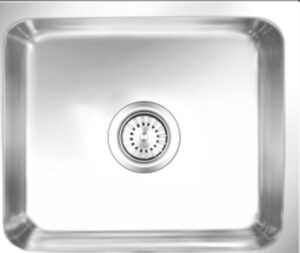
A single bowl sink provides one large, uninterrupted washing area, making it particularly practical for Indian cooking. The generous interior accommodates large kadais, pressure cookers, stockpots, trays, and other oversized cookware.

Why Choose a Single Bowl Sink?

  • Large, uninterrupted washing area
  • Ideal for heavy and oversized cookware
  • Efficient use of space
  • Easy to use and maintain


For compact kitchens, a well-proportioned single bowl can provide excellent functionality without taking up excessive countertop space.

Double Bowl Sink: Convenient Washing and Rinsing

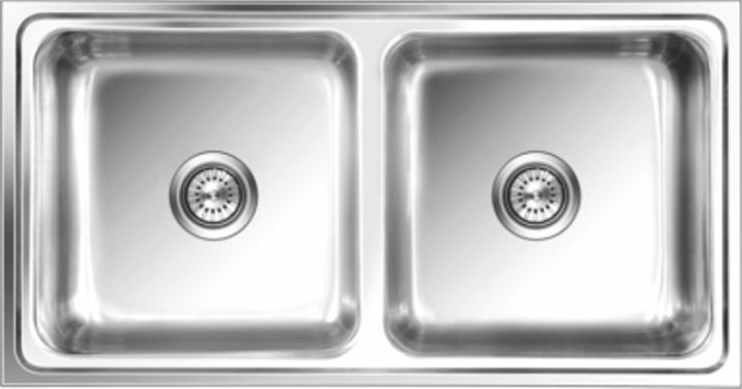
A double bowl sink divides the washing area into two compartments, allowing washing, rinsing, soaking, or preparation to take place simultaneously.

Why Choose a Double Bowl Sink?

  • Separate areas for washing and rinsing
  • Convenient for multitasking
  • Suitable for larger households
  • Available in different bowl configurations


The trade-off is space. Double bowl sinks generally require a wider cabinet and more countertop area, so the kitchen’s dimensions and workflow should be considered before selection.

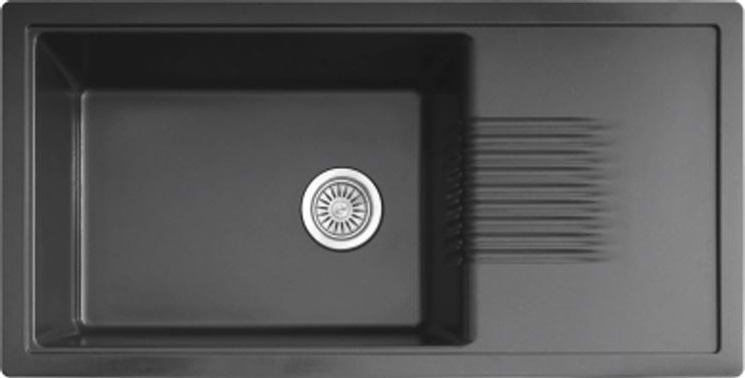
Drainboard Sink: Practicality Built In

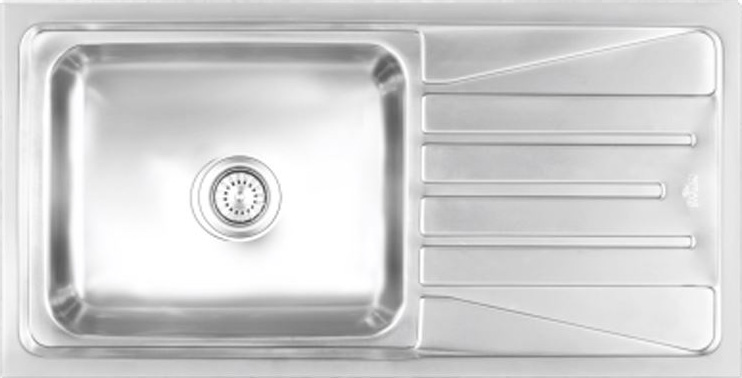
A drainboard sink incorporates an extended surface beside the bowl for draining washed utensils, vegetables, and cookware.

Why Choose a Drainboard Sink?

  • Provides an integrated drying area
  • Reduces reliance on additional countertop space
  • Convenient for everyday washing
  • Particularly useful in compact kitchens


For kitchens with limited counter space, a drainboard can add useful functionality without requiring a separate drying area.

Kitchen Sink Materials: SS304, Quartz and Granite Composite

The sink material influences its durability, appearance, maintenance, and overall character. The right choice depends on usage, water conditions, design preferences, and budget.

SS304 Stainless Steel

SS304 stainless steel is a popular choice for Indian kitchens because of its strength, durability, and corrosion resistance. Its versatile appearance also complements a wide range of countertop and kitchen designs.

For a sink exposed to frequent water, cleaning, and heavy cookware, SS304 is generally a more suitable choice than lower-grade stainless steel.

Quartz Composite

Quartz composite sinks offer a contemporary, architectural appearance and are available in a range of colours and textures. They can be coordinated with cabinetry and countertops for a more integrated look.

Granite Composite

Granite composite sinks provide a substantial, premium appearance and work particularly well with stone countertops and contemporary kitchen interiors.

How Should You Choose?

Consider:

  • Frequency and intensity of use
  • Size and type of cookware
  • Local water conditions
  • Maintenance requirements
  • Countertop and cabinetry materials
  • Overall kitchen aesthetic


The best material is one that balances performance with the design language of the kitchen.

Latest Kitchen Sink Trends in India for 2026

Kitchen design is increasingly focused on efficiency, integration, and user experience. The sink is no longer simply a washing fixture; it is becoming an integral part of the kitchen’s workflow.

1. Workstation Sinks

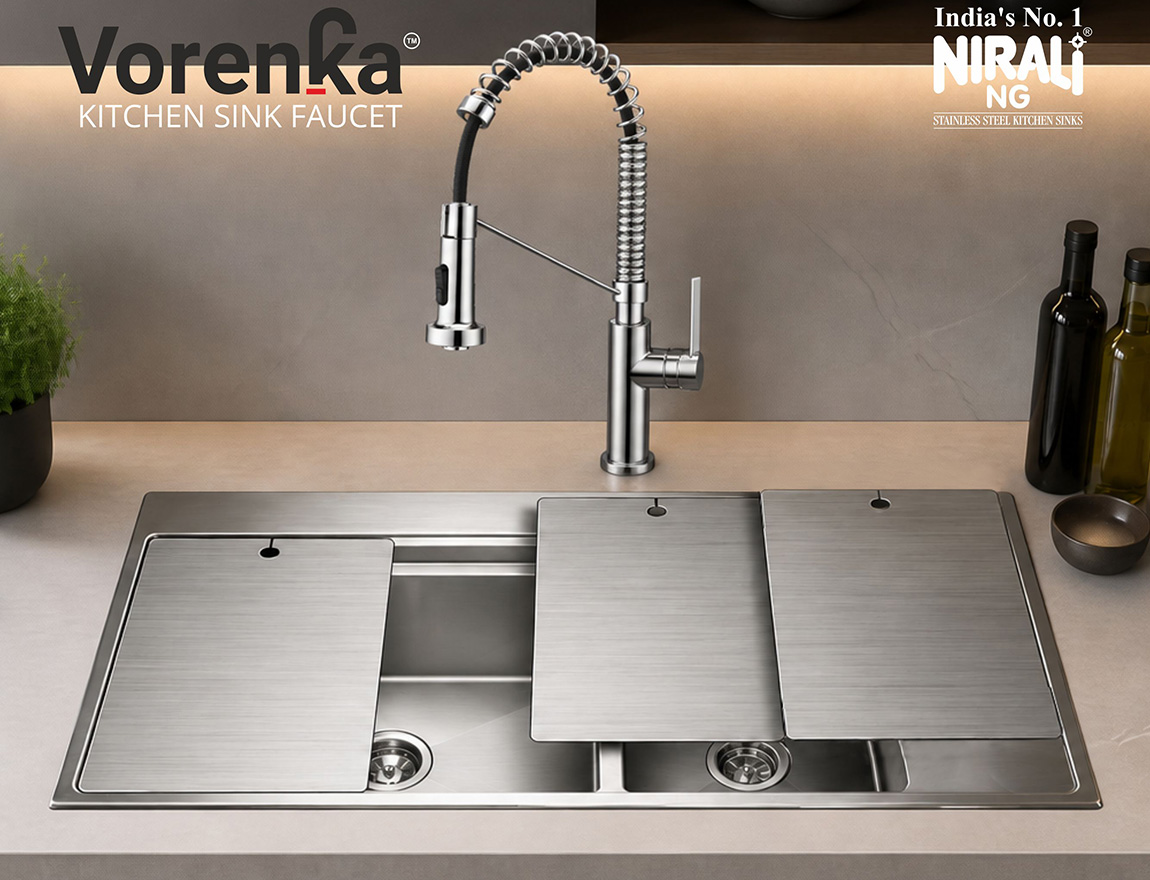
Workstation sinks transform the traditional sink into a multifunctional preparation area. Cutting boards, colanders, draining trays, and drying racks allow multiple tasks to be performed over the sink while making better use of countertop space.

2. Sound-Deadening Technology

As open-plan kitchens become more common, noise reduction is becoming an important consideration. Modern stainless-steel sinks may incorporate sound-deadening pads, coatings, or insulating materials beneath the bowl to reduce noise from running water, utensils, and cookware.

3. Deeper, More Spacious Bowls

Larger and deeper bowls are increasingly suited to the realities of Indian cooking, providing additional room for kadais, pressure cookers, serving dishes, and other large vessels. Depth should, however, be selected with user comfort and ergonomics in mind.

4. Multifunctional Faucet Systems

Pull-out and pull-down sprays, flexible spouts, and multiple water-flow modes can make rinsing and cleaning more efficient. When paired with a workstation sink, they further enhance the sink’s role as a complete kitchen work zone.

5. Contemporary Finishes and Textures

Alongside classic stainless steel, modern kitchens are embracing matte, brushed, textured, and other contemporary finishes that coordinate with cabinetry, hardware, and appliances.

6. Scratch-Resistant Surface Treatments

Surface resistant (Anti-scratch) textured finishes designed to reduce the visibility of minor scratches can help maintain a more uniform appearance despite everyday use.

Together, all these innovations reflect a broader shift toward sinks that are quieter, more functional, easier to integrate, and designed around the user’s workflow.


How to Choose the Right Kitchen Sink Size

Sink size should be determined by more than the available countertop area. Consider the base cabinet dimensions, countertop depth, surrounding preparation space, and the cookware used regularly.

Key considerations include:

  • Cabinet width: Ensure the sink fits comfortably within the base cabinet.
  • Countertop depth: Allow sufficient space around the sink for installation and use.
  • Bowl dimensions: Choose a bowl that accommodates your largest frequently used cookware.
  • Household needs: Larger or double-bowl configurations may suit busy family kitchens.
  • Workflow: Consider the sink’s relationship to the hob, refrigerator, and preparation area.


A well-planned sink should support the natural movement of the kitchen rather than interrupt it.

How to Maintain Your Kitchen Sink

Regular, appropriate maintenance helps preserve the appearance and performance of a kitchen sink.

Clean the sink regularly using cleaning products recommended for the specific material and finish. Avoid abrasive tools or harsh chemicals that may damage the surface. After cleaning, drying the sink can help minimise water marks and mineral deposits.

Keep the waste outlet and drain clear of food particles, and follow the manufacturer’s care recommendations for your particular sink.

Different materials and finishes may require different maintenance practices, so always refer to the manufacturer’s guidelines.

FAQ’s:

Which kitchen sink material is best for Indian homes?

SS304 stainless steel is a practical and durable choice for many Indian kitchens, particularly where the sink is exposed to frequent use and heavy cookware. Quartz and granite composite offer alternatives for those seeking a different aesthetic or material character.

What is the difference between SS304 and SS202 stainless steel?

The key difference is their composition, particularly nickel content. SS304 contains more nickel and generally offers significantly better corrosion resistance than SS202.

Because kitchen sinks are continuously exposed to water, moisture, food residue, and cleaning products, SS304 is generally recommended for kitchen sinks, while SS202 may be more appropriate for less demanding applications.

What size kitchen sink is ideal?

The ideal size depends on cabinet width, countertop dimensions, available workspace, and cooking habits. For Indian kitchens, consider whether the bowl can comfortably accommodate large cookware.

Is an undermount sink suitable for Indian kitchens?

Yes. Undermount sinks work particularly well with granite and quartz countertops, creating a clean, streamlined appearance and making it easier to wipe water and debris directly into the bowl.

What is a workstation sink?

A workstation sink is designed with integrated ledges that support accessories such as cutting boards, colanders, draining trays, and drying racks. It effectively turns the sink into a multifunctional preparation and cleaning station.

Are sound-deadening kitchen sinks worth considering?

For kitchens connected to dining or living areas, sound-deadening technology can be particularly useful. Insulating and sound-absorbing components help reduce noise from running water, utensils, and cookware.

Final Thoughts

The kitchen sink has evolved from a basic utility fixture into an important part of the modern kitchen experience.

Whether you are designing a compact apartment kitchen, planning a spacious family kitchen, or specifying products for a residential project, the right sink should balance functionality, durability, ergonomics, maintenance, and design.

From spacious single bowls and practical double-bowl configurations to workstation sinks, contemporary finishes, integrated accessories, and sound-deadening technology, today’s sinks offer far more than traditional washing fixtures.

In 2026, the best kitchen sink designs are those that respond to the realities of Indian cooking while bringing together smart functionality, lasting performance, and sophisticated contemporary design.

No Comments

Sorry, the comment form is closed at this time.